




Soybean Peptide Powder ≥90% (CAS 9010-10-0): A Sourcing Guide for Formulators & R&D Teams
Written from the perspective of an operations specialist and raw-material supplier in the plant peptide trade. This is general technical guidance for procurement, food and R&D teams, not medical or nutritional advice for end consumers.
When a formulation brief asks for a plant-based protein that has to digest easily, taste neutral, and stay stable through UHT or a low-pH fill, "soy peptide" is usually the short answer on the table. The longer question is which grade of soybean peptide you are actually sourcing — because a 90% peptide powder and a crude soy protein concentrate behave very differently in a finished formula.
This is the sheet I work through with buyers on the operations side of the business. It is written for procurement and R&D teams who want to know what to ask, what to verify, and where the honest limits are — and it applies no matter which supplier you ultimately choose.
What "soybean peptide ≥90% (CAS 9010-10-0)" means on a datasheet
Soybean Peptide Extract is a concentrated mixture of small-molecular peptides obtained by advanced enzymatic hydrolysis of non-GMO soybean protein. The key technical lines on the datasheet are:
Product code: SPR-SPE-90 | CAS No.: 9010-10-0
Assay (purity): ≥90.0%
Average molecular weight: < 1000 Da
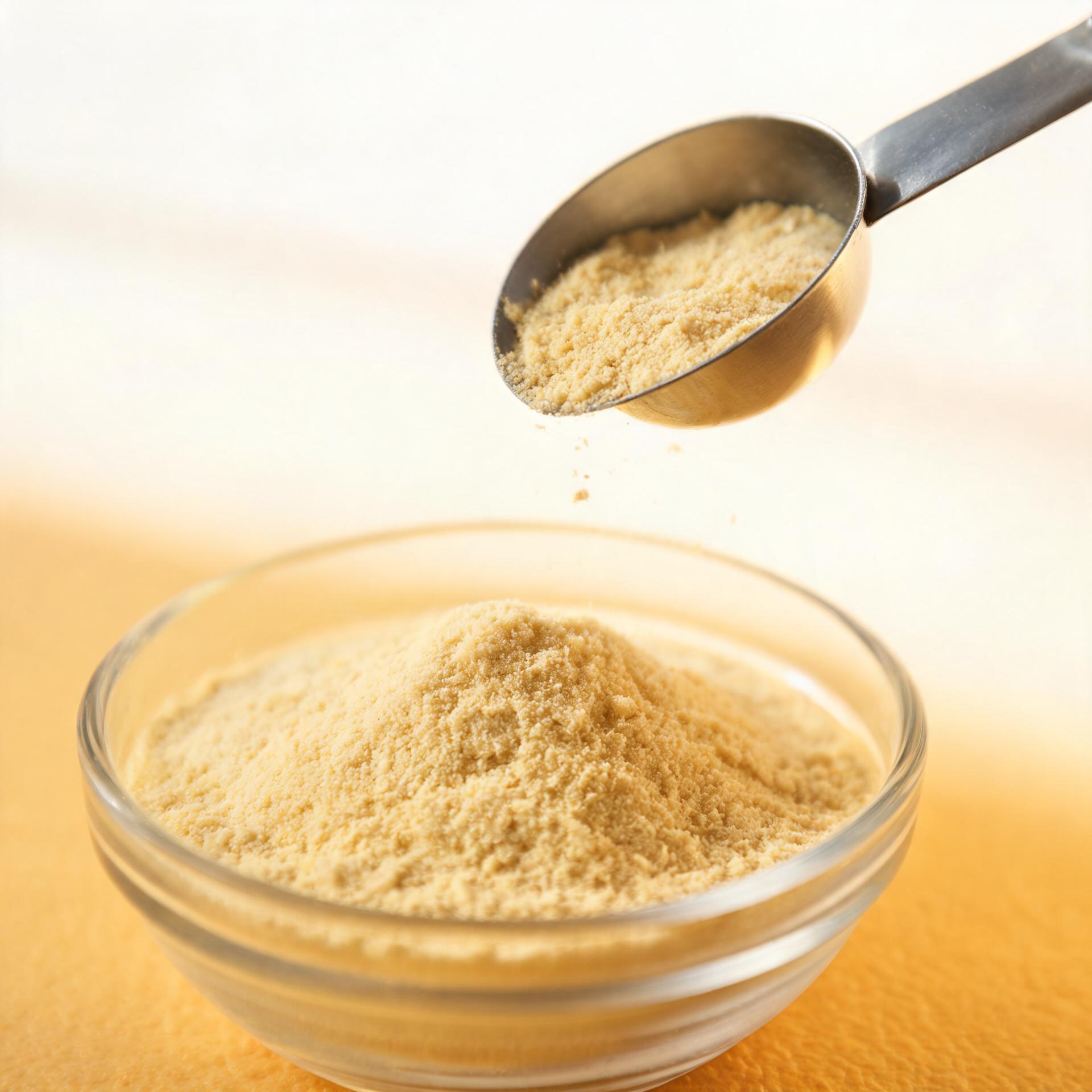
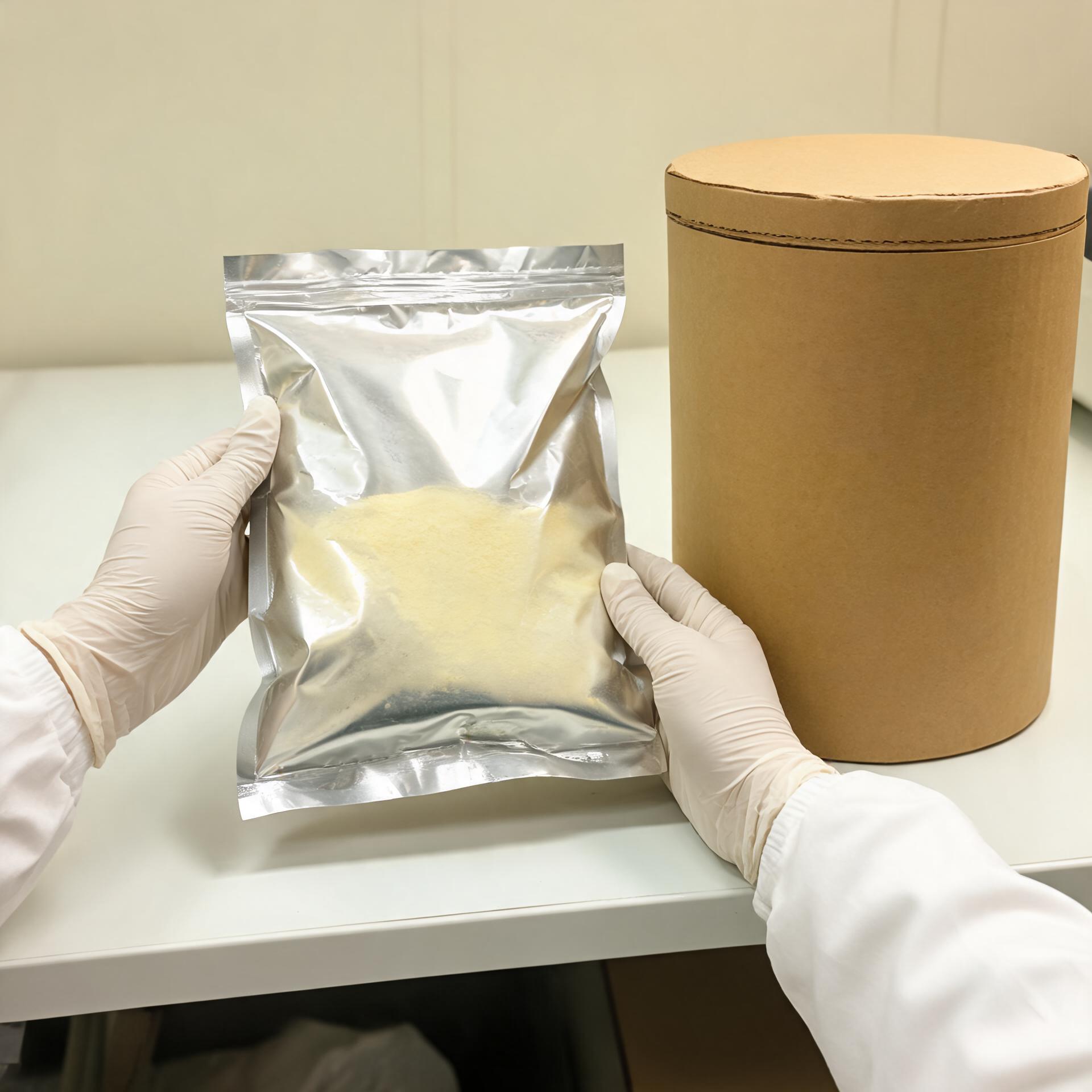
Appearance: pale-yellow powder | Solubility: highly soluble
Shelf life: 24 months
Two of these drive most of the formulation differences. The high purity means you are buying a concentrated peptide fraction, not mostly-intact soy protein. And the < 1000 Da average molecular weight is what formulators connect to direct intestinal absorption without digestion lag — the property behind most "bioavailability" claims for hydrolyzed soy.
What the hydrolysis does: absorption, stability, low allergenicity
| Characteristic | Technical detail | R&D significance |
|---|---|---|
| Absorption | MW < 1000 Da | Direct intestinal absorption without digestion lag. |
| Stability | Acid & heat stable | Maintains integrity during UHT or low-pH processing. |
| Hypoallergenic | Hydrolyzed structure | Significantly lower allergenicity vs. intact soy protein. |
Sensory and processing notes for liquid systems
For beverage and medical-nutrition formulators, the two practical questions are usually taste and clarity:
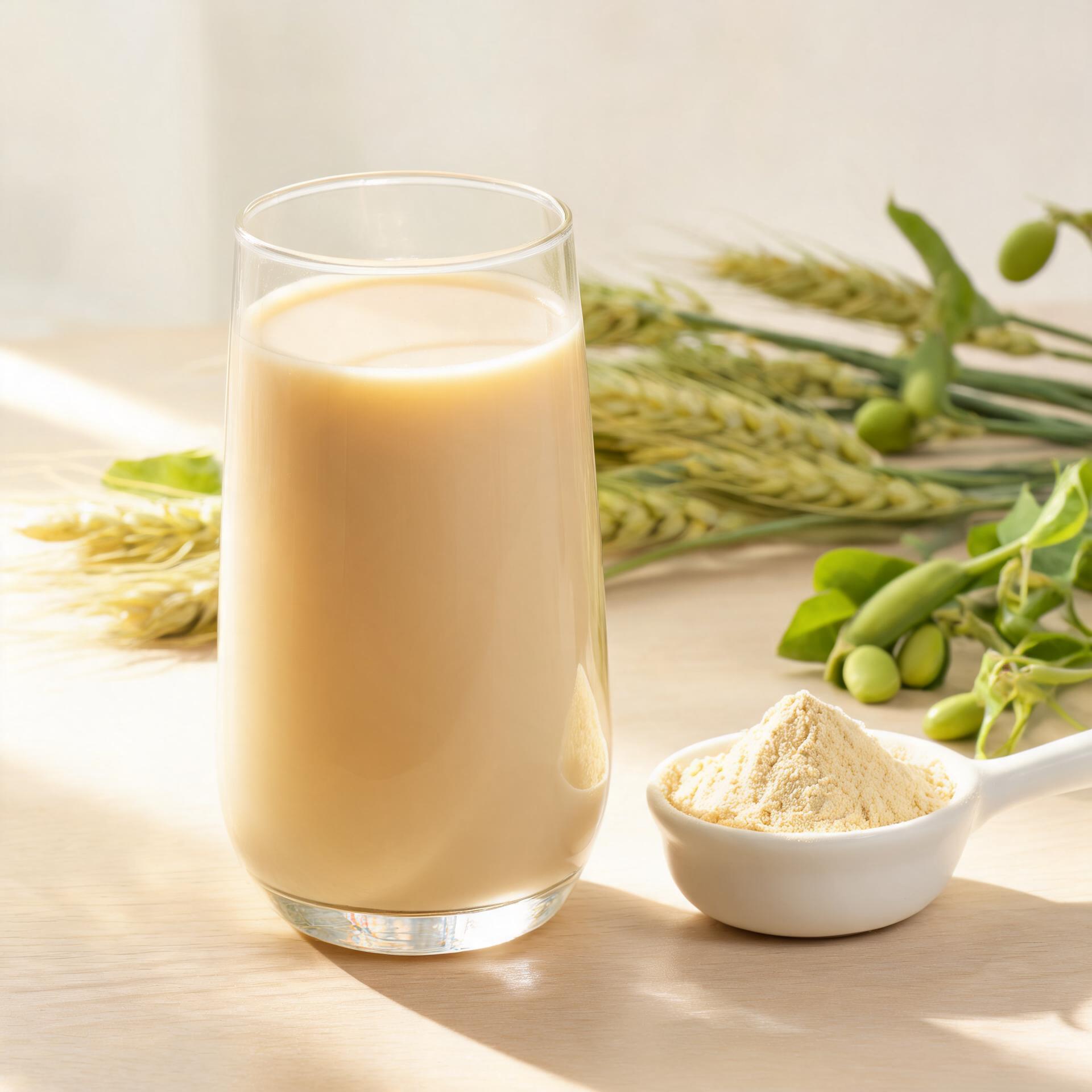
Taste: thanks to the refined hydrolysis process, the material has a neutral profile with no "beany" off-notes, which makes it suitable for protein-fortified beverages.
Clarity: it provides excellent transparency and no precipitation across a wide pH range, which suits clear drinks and clean finished products.
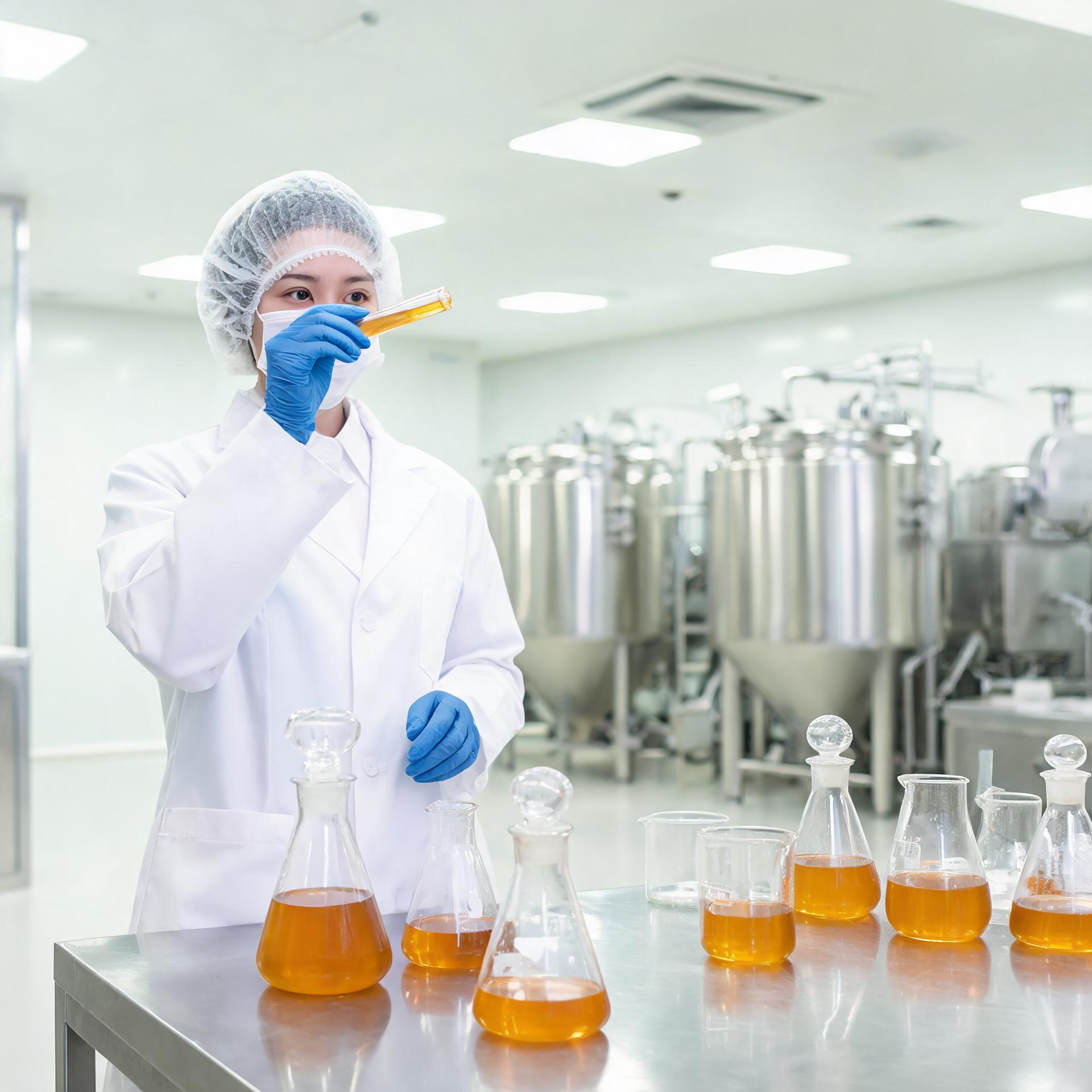
If your project depends on molecular-weight behavior, ask for the batch-specific GPC (gel permeation chromatography) report — a responsible supplier provides it on request to confirm the MW distribution.
Where formulators use ≥90% soybean peptide
Sports nutrition — rapid amino-acid recovery and support for protein synthesis.
Metabolic health — research interest in regulation of lipid metabolism and energy balance.
Skincare science — potential for skin-barrier hydration and collagen support.
FSMP — as a core ingredient for foods for special medical purposes.
A quick supplier qualification checklist for plant peptides
Verify the legal entity and role. Manufacturer vs. trader, matched to your contract.
Confirm the purity basis and source. Assay ≥90%, CAS number, and whether the starting protein is non-GMO.
Request the datasheet and batch-specific GPC to confirm purity and molecular-weight distribution.
Ask about allergen and stability documentation relative to your target market's labeling rules.
Pin down packaging, MOQ and documentation before the PO.
If you would like to compare this plant peptide with the rest of our range, the SR-Peptides category is the place to start, with the full catalogue under Products and company background on the About Us page.
Frequently asked questions
What is the sensory profile of soybean peptide in liquid formulations?
Thanks to the refined hydrolysis process, it has a neutral taste with no "beany" off-notes, making it well suited to protein-fortified beverages.
Can you provide molecular-weight distribution data?
Yes. Batch-specific GPC (gel permeation chromatography) reports are available on request to confirm the molecular-weight distribution.
Is the material suitable for clear beverages?
Yes. It provides excellent transparency and no precipitation across a wide pH range, which suits clear drink formats.
What is the difference between this ≥90% peptide and soy protein concentrate?
This is a concentrated, hydrolyzed low-molecular-weight peptide fraction (< 1000 Da), whereas soy protein concentrate is largely intact protein. Hydrolysis changes solubility, clarity, taste, absorption and allergenicity in the finished formulation.
Do you supply retail finished products?
No. We operate as an upstream B2B raw-material manufacturer and supply bulk soybean peptide powder to food, supplement and research customers; we do not sell retail formulations.